Hi, I’m Adam. I lead, design and build products, most recently AI tools for product teams.
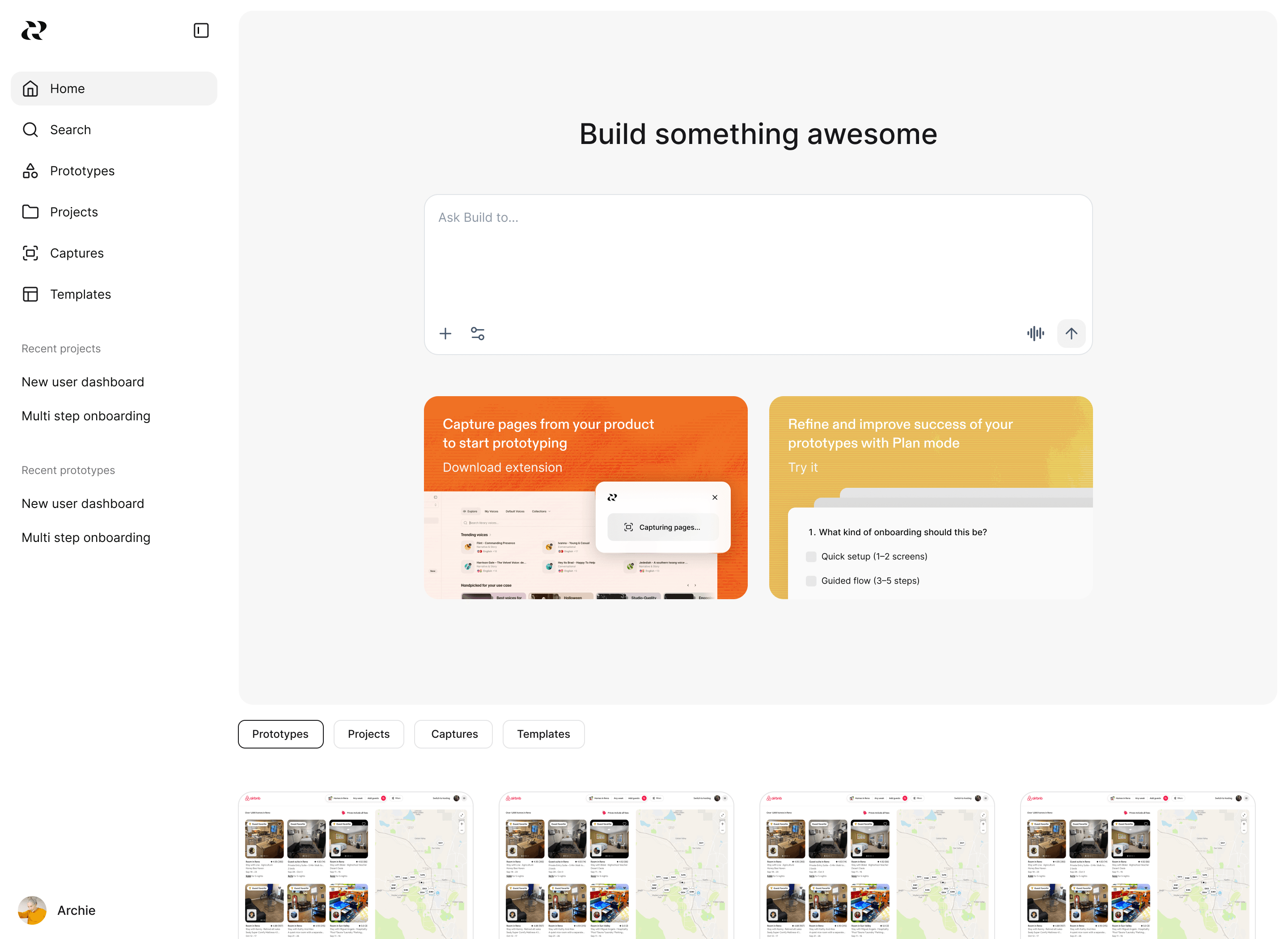
Right now I head up agent workflows for product development at Miro. Before that I took Reforge Build, an AI prototyping tool for product managers, from idea to a paid product: I defined what it did, designed the interface and shipped front-end work to bring it to life. Earlier, I co-founded Public Recreation, an outdoor fitness company, and took it through Y Combinator.
I like to start with the roughest version of an idea, learn from it quickly, and only then scale it.
I was an early member of Rebar, the San Francisco studio behind Park(ing) Day and parklets. Park(ing) Day began as one parking space turned into a park for a few hours. It’s now an annual event in cities around the world.
The Exploratorium builds its exhibits on the museum floor, and visitors try them before they’re finished. With its Studio for Public Spaces, I prototyped installations in a San Francisco park with residents, local partners and the city.
I design software the same way. I try to get something real* in front of people early, bring every stakeholder in, lean on other people’s strengths, and scale what works.
*These days, something real usually means code, so that’s where I do most of my designing.
Reforge Build let product teams capture existing software and prototype changes with AI. The work spanned product definition, interaction design, and production frontend development alongside engineers.
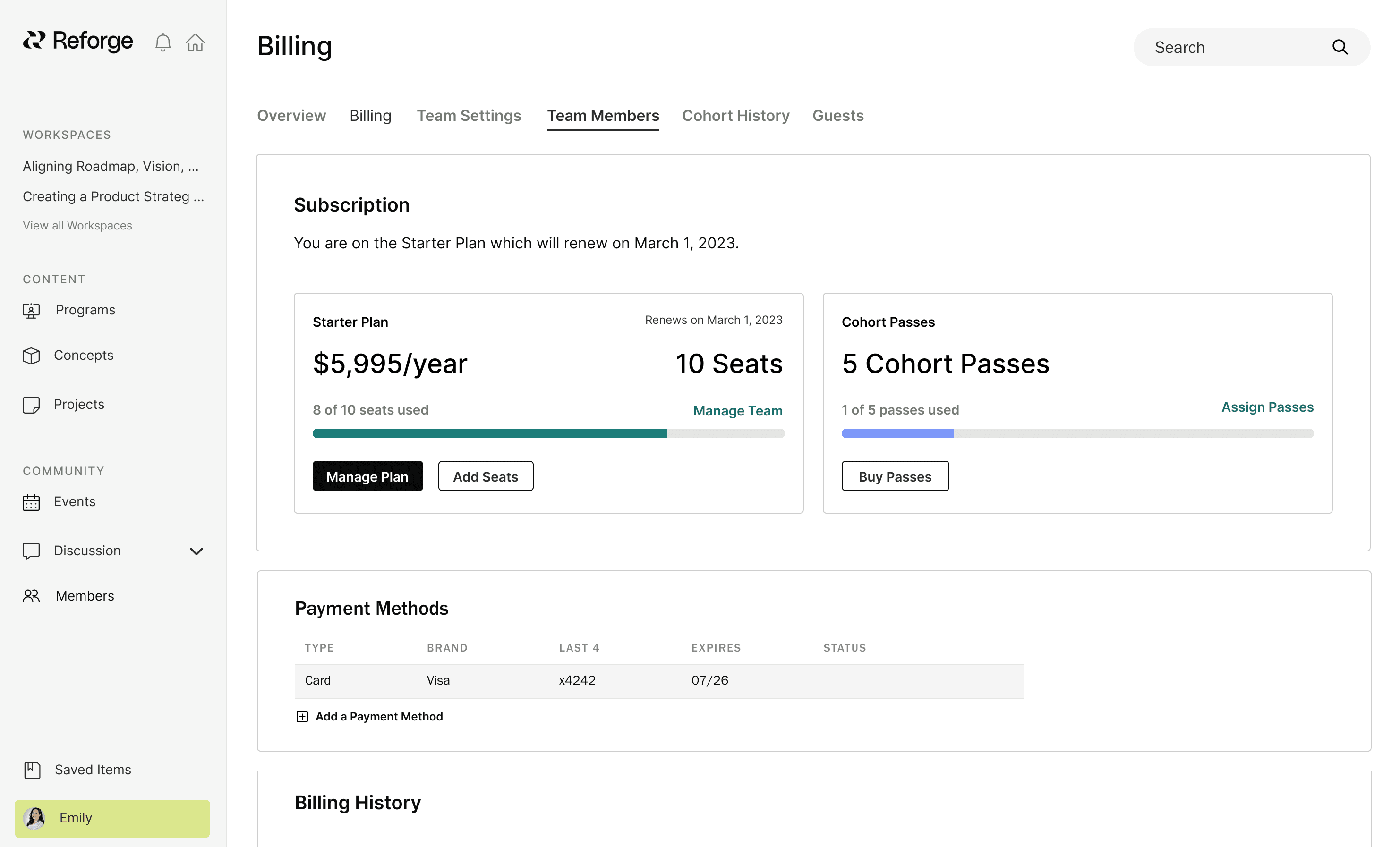
Reforge’s professional learning platform moved from per-seat subscriptions to flat-rate plans. The redesign covered purchase and account flows, including the transition for existing members.
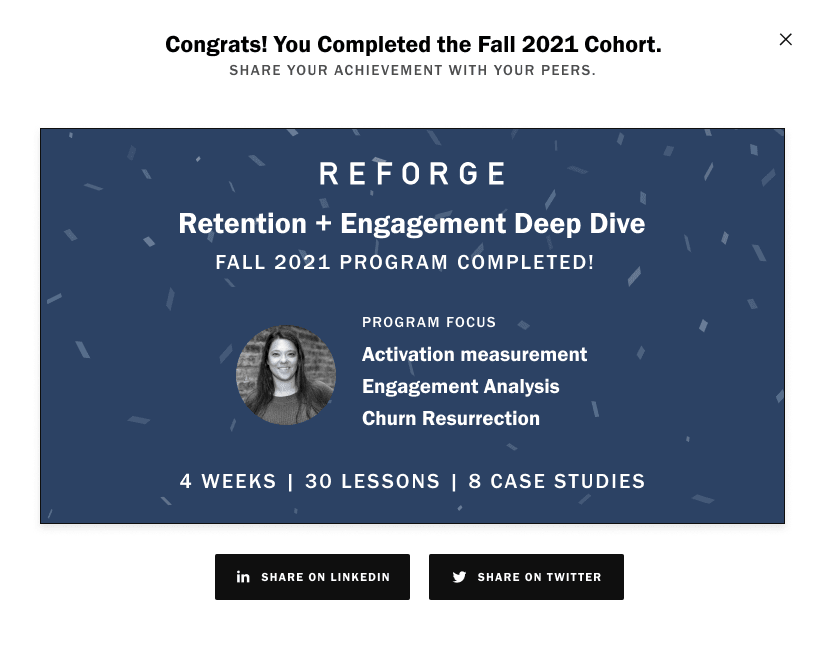
When Reforge members finished a live program, they got a card to share with their network. I redesigned it to celebrate what they had achieved, and built it into the end of every program.
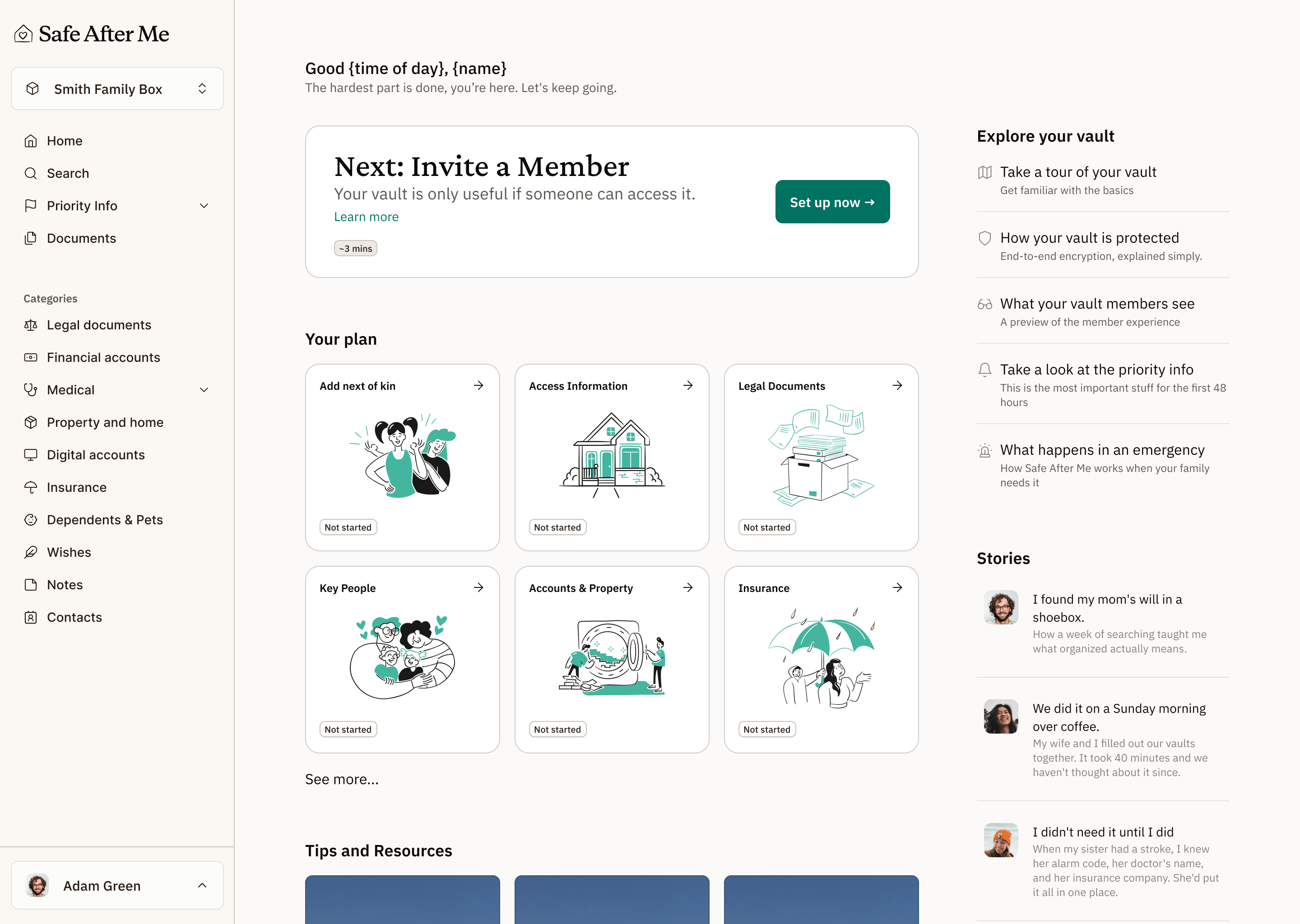
Safe After Me is a digital vault for people preparing documents, account details and wishes for their families. I worked across personalized onboarding, configurable category wizards and production frontend code.